Last updated: Saturday, 29th August 2026
One of the most common misconceptions about vegans is that our diet is the same as a vegetarian’s.
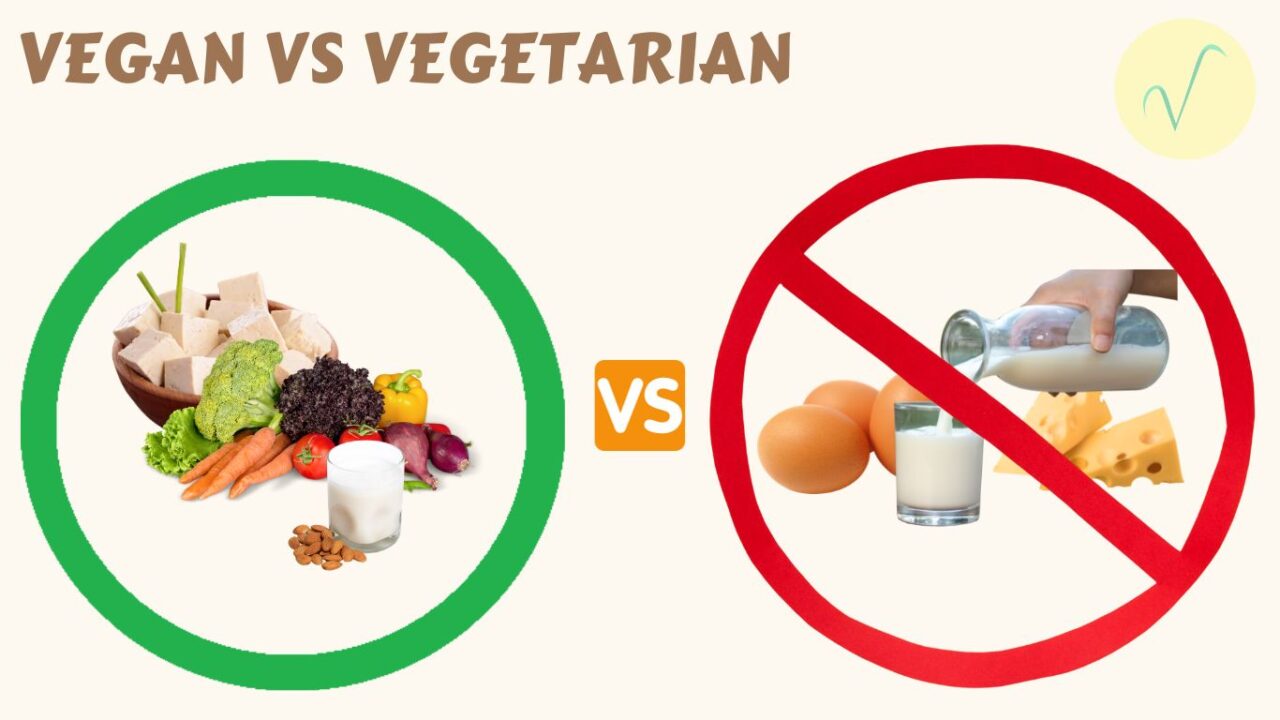
It’s one of those questions that seems simple until someone asks you to actually explain it. Put simply, the real difference between vegan and vegetarian comes down to eggs, dairy, meat, fish, and honey.
This post is for new and seasoned vegans, and omnivores alike. We’ve all got a little something to learn about the differences between the vegan and vegetarian lifestyles, so let’s go through the main questions and clear it all up.
What’s the difference between vegetarian and vegan?
Vegans and vegetarians differ mainly in what they’ll eat.
A vegan diet leaves out all meat, fish, and animal by-products, which catches out a fair few ingredients people don’t always expect:
- Honey
- Gelatine (in some sweets and wines)
- Whey (hidden in a lot of protein powders)
- Casein (in some non-vegan cheeses)
- Carmine (a red food dye made from insects)
A vegetarian diet, by contrast, permits animal-derived products such as eggs, dairy, and honey, though most vegetarians still avoid gelatine.
Vegans are stricter than their vegetarian counterparts by definition, because the lifestyle extends beyond diet into the products used, the clothes worn, and the entertainment enjoyed, like zoos and aquariums.
Vegetarians and vegans often stand side by side on animal rights, but that advocacy tends to be more common among vegans.

What are the different types of vegetarian?
There are three main types of vegetarian, split by who eats dairy or eggs, or in between.
Lacto-vegetarians eat dairy, ovo-vegetarians eat eggs, and lacto-ovo-vegetarians eat both. In the Western world, lacto-ovo is by far the most common form of vegetarianism.
A couple of others sit nearby. Pescatarians follow a broadly vegetarian diet but also eat fish, molluscs, and shellfish, and may or may not eat eggs or dairy.
Flexitarians interchange between plant-based with a regular omnivorous diet that includes meat or fish, making it the most common gateway position.
Is plant-based the same as vegan?
Not quite, though the two get used interchangeably all the time. Plant-based has become something of a marketing word, and it usually describes a diet centred on whole plant foods rather than the full ethical commitment that comes with “veganism”.
Veganism is broader: it covers food, clothing, cosmetics, and entertainment, not just what’s on your plate.
So someone can eat plant-based without being vegan, and a vegan living on processed food isn’t really eating plant-based. Same neighbourhood, different postcodes.
Is veganism about more than food?
In short, yes. For most vegans, navigating a mostly non-vegan world goes a bit further than what’s for dinner.
The vegan lifestyle typically extends to a few other areas beyond food:
- Clothing: no leather, wool, silk, and down
- Cosmetics and toiletries: avoiding products that conduct animal testing and with animal-derived ingredients
- Entertainment: no zoos, circuses, or aquariums
It’s less a rulebook than a general way of life. This is the key separation between veganism and vegetarianism, and it’s why the two aren’t quite the same thing.
Why do people choose vegan or vegetarian?
Everyone’s got their reasons, and there’s rarely just one. The three most common are ethical, environmental, and health.
Ethics usually means animal welfare. The environmental case is well documented too, with research from the University of Oxford suggesting that cutting animal products is one of the single biggest ways to shrink your dietary footprint.
And plenty of people come to it for their health, or tag along for one reason and find the others stack up over time. There’s no hierarchy here, just whatever got you curious in the first place.
Are vegetarians healthier than vegans?
According to research using the Healthy Eating Index (HEI-2010), vegans score highest for diet quality, ahead of vegetarians, semi-vegetarians, and pesco-vegetarians.
Both vegan and vegetarian diets are associated with lower risks of type 2 diabetes, cardiovascular disease, and certain cancers, and the Academy of Nutrition and Dietetics considers both appropriate for all stages of life.
The same body points to the high intake of legumes, fruit, wholegrains, nuts, and seeds as key contributors to that lower disease risk.
That said, both vegan and vegetarian diets need a bit of attention paid to B12, iron, calcium, and omega-3. Vegan diets in particular need a reliable source of B12, whether from fortified foods or a supplement.

Do you lose more weight as a vegan or vegetarian?
According to studies, vegans had an average lowest BMI as compared to vegetarians, who were slightly higher. Meat eaters saw the highest BMIs with pescatarians seeing intermediate numbers.
As a vegan you already negate animal protein which in itself comes with a lot of saturated fat.
Vegetarians, although consuming a diet more fruit and veggie focused, can still be high consumers of dairy products which can make weight management difficult.
Even as a vegan, the type of vegan you are may determine how quickly you gain or lose weight.
Do you lose more weight as a vegan or vegetarian?
Research comparing average BMI across diets tends to put vegans lowest, at around 23.6, with vegetarians slightly higher at 25.7. Omnivores come in highest at roughly 28.8, with pescatarians sitting just below them.
Whole-food vegan diets tend to be lower in calorie density overall, which is what helps with weight management. Vegetarians eat plenty of fruit and veg too, but higher intake of dairy can complicate things.
The label matters less than the quality of what’s on the plate, though. A vegetarian eating mostly whole foods will get further than a vegan living on chips, meat substitutes and biscuits. It’s all about balance.
Bottom line: what’s the main difference between a vegetarian and a vegan?
The main difference is scope. Vegetarians avoid meat but may still eat dairy, eggs, and honey, along with by-products like milk chocolate and cheese. Vegans avoid all animal-derived products, across food, clothing, and lifestyle choices alike.
Beyond that, there’s not a world between us. We’re broadly working towards the same thing: eating fewer animals and animal-products, for whatever religious, moral, or health reasons brought us to it. Try a Meat-free Monday and you’re already part of the way there.
Whether you came as a curious omnivore, a dabbling veggie, or a seasoned vegan looking for the right words at dinner, hopefully this cleared a few things up. Share it with whoever needs it most.