Last updated: Saturday, 5th September 2026
Copper is easy to get on a vegan diet. Nuts, seeds, mushrooms, wholegrains, legumes, and even a bit of dark chocolate are all rich in it, so a varied plant-based diet tends to cover it nicely when you’re in the know.
This guide will take you through the best vegan copper sources, how much you need, and the couple of things worth knowing about absorption.
How much copper do you need a day?
Adults need only a small amount of copper a day, around 1.2 mg a day in the UK (0.9 mg in the US), which is part of why deficiency is genuinely rare.
Do vegans get enough copper?
Vegans often get more copper than most. The large EPIC-Oxford study found vegans had the highest copper intake of any diet group, ahead of meat-eaters, fish-eaters, and vegetarians. Which makes sense given how many everyday plant staples, from cashews to mushrooms to wholegrains, are naturally copper-rich.
A small number of people can still fall a little short of their copper intake, so it’s worth knowing some main, reliable sources of copper.
Vegan sources of copper
Here are the best vegan copper sources, ranked highest to lowest, with each amount measured against the UK daily recommended intake of 1.2mg.
Almonds
Almonds provide 0.3 mg of copper per 28g, along with vitamin E, calcium, and healthy fats. A handful a day makes a solid snack.

Cashews
You’ll find 0.6 mg copper in a 28g handful of cashews, over half your daily copper from a small snack. They’re also the creamy base for many plant-based cheesy sauces, so they definitely earn their place.

Sunflower seeds
Roughly 0.5 mg of copper can be found in a 28g handful of sunflower seeds. An easy one to scatter over salads, porridge, or a grain bowl, and a good vegan source of vitamin E alongside.

Avocado
Around 0.28 mg of copper can be found in a whole avocado, making for a modest top-up alongside its healthy fats and fibre. Easy to work into most meals of the day.

Kale
About 0.2 mg of copper is found per cup of raw kale, a useful contribution among its many other nutrients, and one of the easier greens to work into salads, crisps, or a smoothie.

Chickpeas
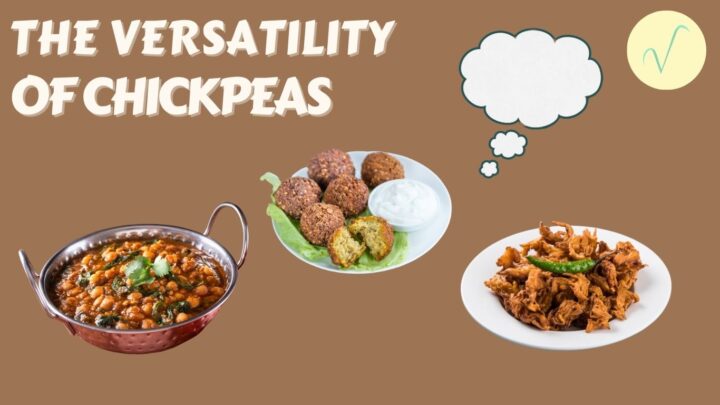
Chickpeas give you around 0.6 mg of copper in a cooked cupful, about half your daily copper. Enjoy its versatility in the form of hummus, falafel, roasted whole, or as gram (besan) flour. A genuinely great, versatile food source of plant-based copper.

Mango
There’s around 0.2 mg of copper in a whole mango, plus a good dose of vitamin C. Go for the real fruit rather than sugary mango juice to get the benefit.

Kiwi
You’ll find a smaller amount of copper, around 0.13-0.15 mg per kiwifruit. That said, the kiwi (or Chinese Gooseberry) packs plenty of other nutrition into a small package.

Copper foods at a glance
A quick comparison of the best vegan sources of copper:
Added the US RNI (0.9 mg) alongside the UK one.
| Food | Copper (approx.) | % RNI (UK, 1.2 mg / US, 0.9 mg) | Portion |
|---|---|---|---|
| Cashews | ~0.6 mg | ~50% / ~67% | 28g (small handful) |
| Chickpeas, cooked | ~0.6 mg | ~50% / ~67% | 1 cup (164g) |
| Shiitake mushrooms, cooked | ~0.5 mg | ~42% / ~56% | ½ cup |
| Sunflower seeds | ~0.5 mg | ~42% / ~56% | 28g |
| Dark chocolate (70%+) | ~0.5 mg | ~42% / ~56% | 30g |
| Hazelnuts | ~0.5 mg | ~42% / ~56% | 28g |
| Lentils, cooked | ~0.5 mg | ~42% / ~56% | 1 cup (198g) |
| Sesame seeds / tahini | ~0.45 mg | ~38% / ~50% | 2 tbsp |
| Walnuts | ~0.45 mg | ~38% / ~50% | 28g |
| Tofu | ~0.4 to 1 mg | ~33 to 83% / ~44 to 111% | 1 cup |
| Pumpkin seeds | ~0.4 mg | ~33% / ~44% | 28g |
| Spirulina | ~0.4 mg | ~33% / ~44% | 1 tbsp (7g) |
| Almonds | ~0.3 mg | ~25% / ~33% | 28g |
| Avocado | ~0.28 mg | ~23% / ~31% | 1 avocado |
| Wholegrains | ~0.2 mg | ~17% / ~22% | per serving (e.g. 1 cup brown rice) |
| Kale | ~0.2 mg | ~17% / ~22% | 1 cup, raw |
| Mango | ~0.2 mg | ~17% / ~22% | 1 fruit |
| Kiwi | ~0.13 to 0.15 mg | ~11 to 13% / ~14 to 17% | 1 fruit |
Why is copper important?
Copper is an essential trace mineral involved in a surprising number of bodily processes. It helps make red blood cells, keeps nerve cells healthy, and supports a normal immune system.
Copper plays a part in forming collagen, energy production, and in helping your body utilise iron, which is why copper and iron are closely linked.
A little goes a long way, but copper’s doing a lot behind the scenes.
What are the signs of copper deficiency?
True copper deficiency is uncommon, especially on a varied vegan diet, but the recognised signs are worth knowing.
Copper deficiency symptoms include:
- Getting ill more often than usual
- Fatigue
- Pale skin
- Memory or concentration problems
- Weak or brittle bones
These overlap with many other things, and aren’t proof on their own. If you’re concerned about whether you’re deficient in copper, a GP can check with a simple blood test.
Does copper prevent grey hair?
Copper is essential to an enzyme called tyrosinase, which your body uses to make melanin, the pigment that gives hair its colour.
Genuine copper deficiency can reduce that pigment’s presence in the body, and it’s been shown to impact coat colour in animal studies, with some research finding lower copper levels in people who grey early.
That’s not to say it’s a definitive grey-hair cure, though. Age-related greying is mostly down to genetics and simply getting older. There’s no good evidence that taking extra copper, beyond what your body actually needs, prevents or reverses greying.
If your hair is greying early, it’s far more likely down to your genes, or even stress, than your diet.
Can you have too much copper?
Getting too much copper from food alone is very unlikely, so for most people this isn’t a concern. The risk comes from supplements: taking more copper than you need can cause nausea and stomach upset, and on a consistent basis can cause more serious problems.
For that reason, most vegans don’t need a copper supplement, and don’t even need to take one casually. Copper’s upper limit for adults is around 10 mg a day (the US tolerable upper level), which ordinary food won’t take you near.
If you think you need one, that’s a conversation for you and your GP.
What affects copper absorption?
A couple of factors influence how well your body takes up copper, and this info can come into handy.
Does zinc affect copper absorption?
Yes. Zinc and copper compete for absorption in the gut, so a lot of zinc can cancel copper out. This is very rarely an issue from food, but it’s a real one with high-dose zinc supplements, which can lower overall copper levels over time. If you take zinc supplements, keep it sensible rather than mega-dosing.
Does vitamin C affect copper absorption?
Vitamin C can influence copper absorption, but not in the way people you may think. Unlike iron, where vitamin C boosts absorption, high-dose vitamin C (roughly 1,000 mg a day or more, usually from supplements) can actually reduce copper absorption.
At normal food levels this is a non-issue, so there’s no need to avoid your oranges. It’s just worth knowing if you take high vitamin C supplements.
Are copper bottles and cups a good source of the mineral?
Often touted as a trendy way of consuming copper, cups and bottles are a decent source of the mineral; when left to marinate for 8-16 hours at room temperature, a 100% pure copper container provides you with 0.2-0.5mg of copper.
This is well within safety limits, slightly better than wholegrains but slightly behind cashews and chickpeas. It’s also something you’d have to wait overnight for, so it’s worth targeting in your daily diet in other ways.
Best vegan sources of copper
Copper is one of the easier nutrients to cover on a vegan diet, and most people eating a varied mix of nuts, seeds, mushrooms, grains and the odd bit of dark chocolate are already well ahead of the game.
A handful of cashews and a bowl of chickpeas alone gets you most of the way to a day’s copper. Deficiency is rare, supplements usually aren’t needed, and the research puts vegans at the lowest risk of copper deficiency.
Share this with someone who still thinks a vegan diet doesn’t nourish you.